
Being so connected, yet overwhelmingly isolated, is a reality for young generations in this digital age. Having a device that can simplify tasks with a touch of a button does not replace the engagement that occurs in person. A way to foster physical communities is through using third spaces.
Third spaces is a term coined in 1989 by sociologist Ray Oldenburg as he researched and established the importance of having three different spaces in your life – a space that is separate from your home, your most comfortable place and work or school.
It steps you out of your daily routine, growing a new community on your own terms without the societal pressures built in school or work; a place meant for public gatherings. The library, park or even a cafe are widely used third spaces, more commonly used in a time when research could not be conducted anywhere or mobile ordering had not yet made waiting in line for coffee a taboo.
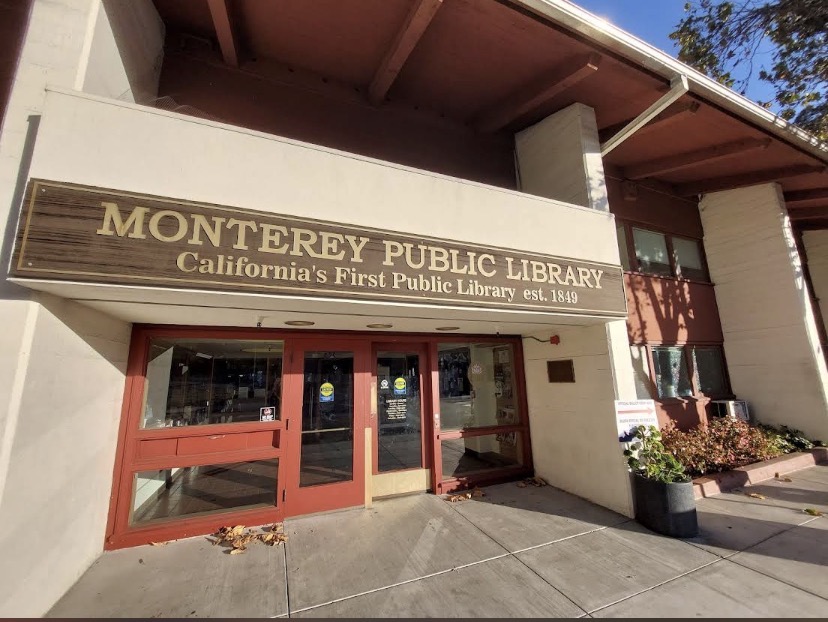
The Monterey Public Library is a center that holds a variety of services for the public. While being an alternative to spending full price for the next book you want to order online, it is also a hub for events. Ranging from child to adult style events, community members are able to come to the library and enjoy free needle felting tutorials, a Dungeons &Dragons session or reading buddies for children. Available as a space for all community members, but certain resources, such as checking out books, require a library card, which can be acquired for free at any public library. However, to obtain one you would need a photo ID.
Matthew Lieberman, a researcher and professor at UCLA, wrote about the neuroscience of social connections, making the case that human beings’ need to connect is as fundamental as our need for water and food. Isolation causes strain on the mental well being of people.
Laguna Grande Regional Park, a trail that encircles a lake, passes through Seaside and Monterey and includes a playground as well as community bathrooms. A local trail that is sure to feature a wide variety of community members on the weekends. From children in strollers to older couples or even the occasional soccer player on the grass, many use the space as the park is meant for, recreational activities with in-person communities.
Being a part of a third space opens your world up to different people and in turn new hobbies. Instead of the constant doomscrolling or conveniences that come from using your phone for everything, in a third space the point is to slow down. You are focusing on what is interesting in the moment and trying to make connections with the people you are sharing a space with.
It is my hope that you are able to start reaching for services in the communities around you. By sacrificing your convenience, you might just create a new routine and make new relationships.