

Written by Maxfield English and Jose Guzman
Walking to Main Quad, Cal State Monterey Bay (CSUMB) students will often see the native Western Snowy Plover, or walking from Ocean Hall to the Library, bobcats.
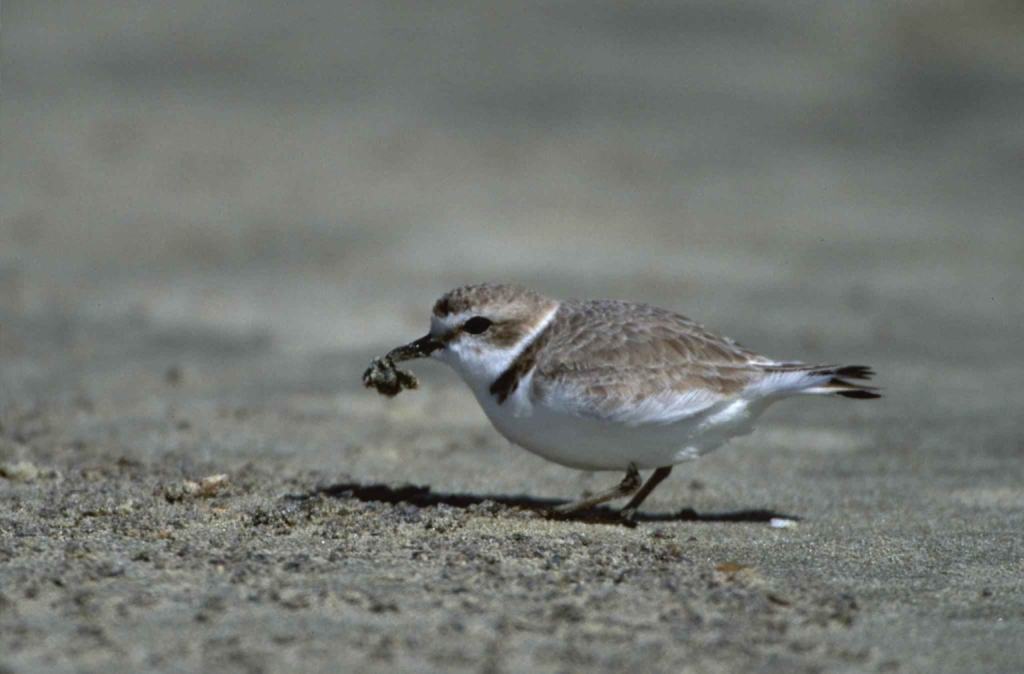
Species like these two make the Central Coast of California’s environment unique, and CSUMB’s location allows students to observe wildlife, unlike other, more urban, Cal State campuses.
One worry people often have when interacting with wildlife is that animals in nature pose a threat. While having concern is healthy, “there is no concern whatsoever to humans,” said Professor Fred Watson of the Applied Environmental Science Department. “I would just hate for our students to think that they have to be worried about wildlife.”
Among the species near campus, none of the animals are large enough to cause worry for students.
Some species that students may encounter include reptiles such as the Coastal Horned and the Western Fence Lizards. Other species like deer, rabbits, squirrels, and even coyotes are all found near CSUMB but are not specific to the location.
Squirrels have their own particular story, documented by the Instagram account @mbsquirrels, short for Monterey Bay Squirrels.
@mbsquirrels was created after the Department of Applied Environmental Sciences’ program to catch and collar squirrels began.
The intention behind the program was to familiarize students with the local squirrels and foster sympathy.
The Instagram account, started in October 2023, posts photos and biographies of the squirrels. With hundreds of followers, posts can receive upwards of 100 likes. The account has introduced students to the squirrels on campus, such as Burger, Violet, and Bean.
@mbsquirrels is not the only tool available to familiarize oneself with the local flora and fauna. For example, Seek and Merlin are common apps for nature identification. Merlin is an algorithm that identifies species of birds based on their calls, while Seek is more expansive.
“It’s really kind of this citizen project in a way where everybody contributes locations of different organisms, plants, animals that they’re seeing, and then you can actually get input from other people through the app,” said Jennifer Duggan, ecology professor.
Seek’s strongest feature is its ability to connect people through ecology. Offering both challenges as well as social features to share finds with friends, Seek presents an exciting way to learn about the local wildlife.
“It’s identifying things, giving them a name. I think it helps you connect with them,” said Duggan.
Seeing these animals gets easier as it approaches the resident squirrels’ mating season in March when young are born. At the same time, predators begin to hunt, which can be “pretty dramatic,” as Duggan puts it.
Whether by the Watershed Institute, around Chapman Science Academic Center, or on the sidewalk behind the library, being able to see nature on display within the confines of a college campus is special.
Alumni Taylor Wilson said, “If you’re not from the area, coming here and kind of… being among all this must be pretty interesting.”