
“I was a kid that people were saying ‘he won’t even live to be 18.’ I remember a police officer putting a gun to my head and saying, ‘I should just kill you because you’re wasted space, you’re trash.’ And those were my realities when I was growing up.”
For Mario Ozuna-Sanchez, life growing up wasn’t easy. Born and raised in East Los Angeles, his life at home didn’t feel safe, so he turned to the one thing he knew: being a gang member in his neighborhood.
“I didn’t know what else to do except what was in front of me, [which] was to die for my hood … Somebody asked me, ‘Well, why would you want to die for your hood?’ And I said, ‘because when I became a gang member, I was finally good at something.’”
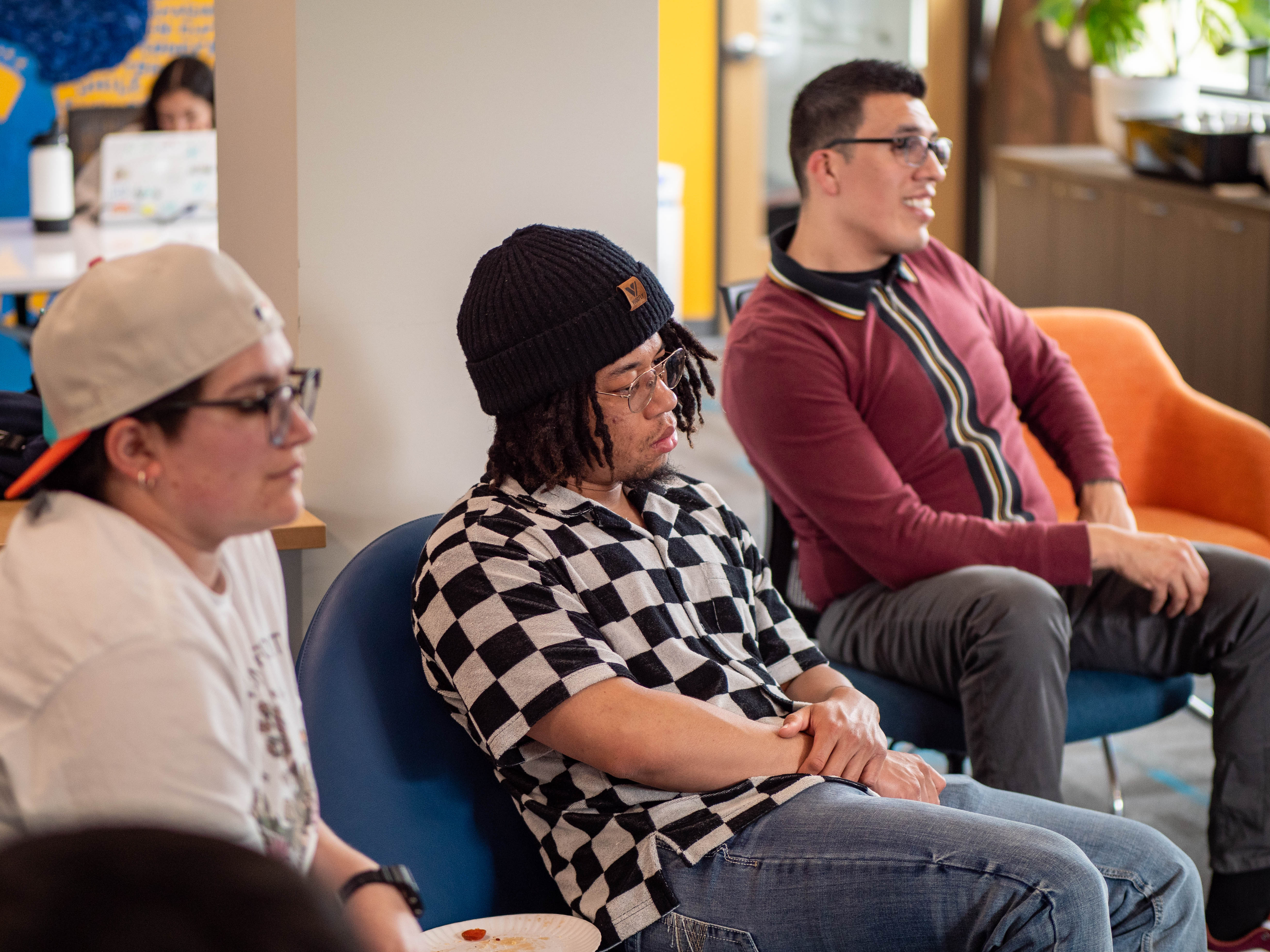
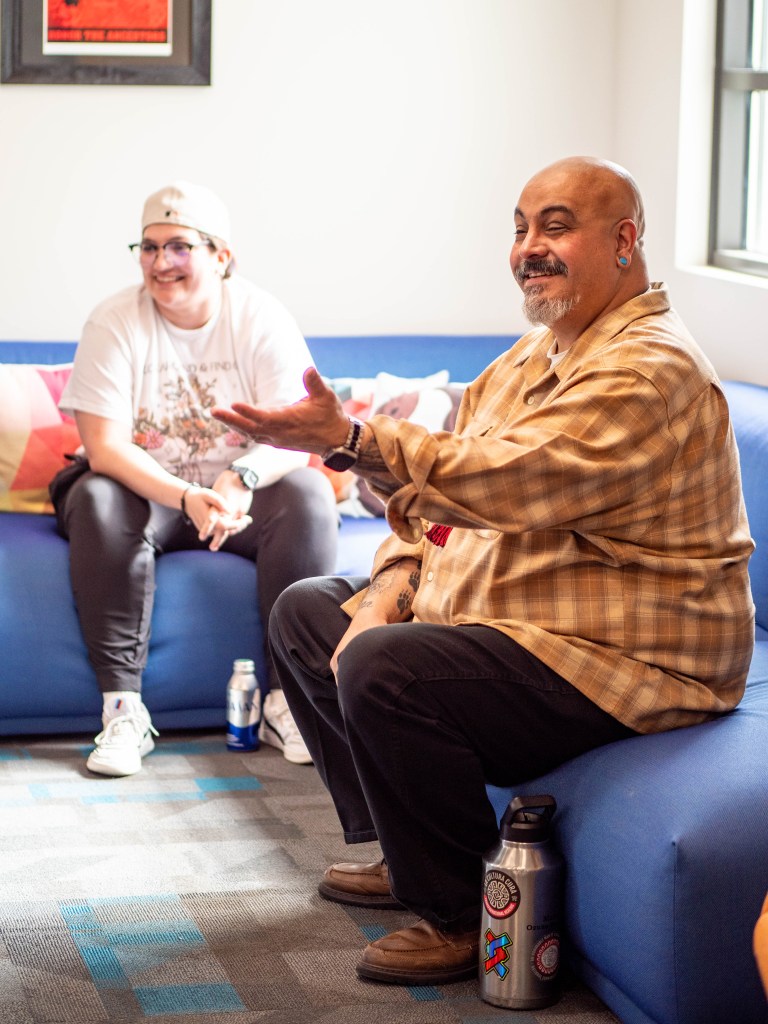
On April 24, the Men of Color Alliance and the Otter Cross Cultural Center invited Ozuna-Sanchez to speak at Cal State Monterey Bay, sharing his life story and imparting wisdom about what it means to be an honorable person and give back to your community.
Ozuna-Sanchez has spent over 30 years working in communities primarily helping young men of color find their value and voice through healing and cultural centered services. He has worked in Santa Clara County, specifically in East Side San Jose, teaching gang prevention and intervention along with community violence prevention.
Living the life of a gang member was the only one he knew and the reason he got out was the fact he was going to be a dad at the age of 15.
“Being 14 years old, thinking I was gonna die for my hood. I then find out, ‘oh shit, [I’m] gonna be a dad,” he said. “I made a decision that I’m gonna be for him the dad I never had. I’m gonna give him everything.”
From that point on, Ozuna-Sanchez decided to live a life dedicated to his child, but most importantly for himself. He went to college knowing that was the best decision to give his son a better life, but it wasn’t easy for him.
“I struggled to be a dad because I never learned how to be a man. No one ever taught me how to be an honorable person.
All of the men in my life, to me, they were the enemies. They were everything I wanted to run away from.”
Through working in East Side San Jose when he was still in college, he was introduced to talking circles where he was able to heal and learn through the words of other men on how to become a better man for himself and for his community.
“Being able to connect to community made me feel like I matter,” said Ozuna-Sanchez.
From then on, Ozuna-Sanchez dedicated himself to helping others realize their true potential and what it means and takes to be a man and person of color in our society. He shared this with the group of about 15 people in the OC3, through talking circles just like the ones he attended years ago.
Before the end of his talk, he shared a demonstration to everyone asking for someone in the audience to give him the largest bill in the room, with one person giving him a crisp $100 bill.
He asked everyone in the room to raise their hand on whether they would want to keep the bill if he was able to give it away, for which everyone said yes. He then folded and crumbled the bill, repeating the question and getting an all around yes.
After pretending to stomp on the bill, everyone agreed that they would still want it.
“No matter what I do to it, it still has value. All of you in this room have been through experiences where people have tried to change who you are … have done things to not let you be you, and why did you ever let them make you believe that you ever lost your value? Nothing in this world can happen that will ever take your value.”