
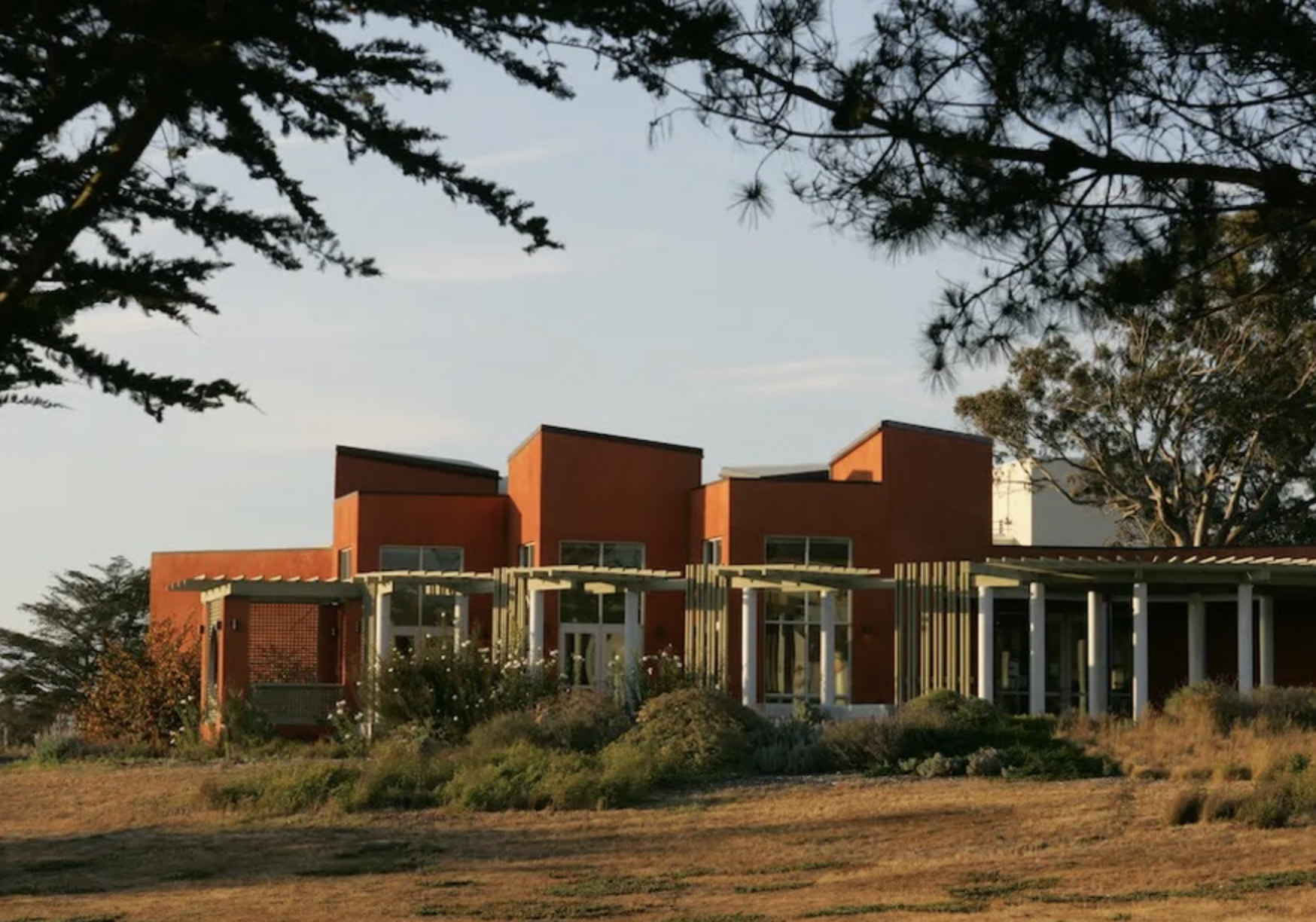
On May 1 CSUMB held a seminar event “Healing our Language, Towards Healing our Community” in the Alumni and Visitor’s Center to open a dialogue about the recent incidents of racism on campus and contribute to a process of healing and change.
The seminar focused on the nuance and impact of language – harmful and helpful – on individuals as well as the community.
Keynote speakers included Kamilah Majied, Rudy Medina, Loyce Byrant, Renie Jackson and Dr. Jeremias Zunguze giving seminars as well. Also present was-
Sorry.
Can I drop the journalistic kayfabe for a second?
This is almost certainly the last article I will ever write for the Lutrinae, and a follow up to an issue I have been covering all year. But I can’t tell you about it. Not at least in the journalistic way I’m accustomed to. The event was private, and they explicitly asked us not to record to preserve the sanctity of conversation in the room, which I am going to respect. Nor do I think it would be right to share who I saw or what the discussion was about or even what was written on the slides.
And I’ve been writing a lot in my Capstone about the need for journalism to move beyond strict objectivity, to- without resorting to fiction- capture the emotions in a room, the effect on the journalist themselves, the sensory experience of the events and moments they cover.
I can tell you about the energy in the room. It was surprisingly electric. I think it wouldn’t hurt to mention the Alumni and Visitors Center was absolutely jam-packed, literally standing room only. I was expecting the dreary atmosphere most Town Halls get but this was not that. It was a hotbed of discussion, a loud raucous intellectual party like I imagine college classes used to be.
As a journalist, it felt good to be in a room like that. To see the impact students like the ones in the Black Student Union or the Master of Social Work program can have after spearheading the demand for change all year. Despite the heavy topic, it gave the room a palpable energy of hope and progress. Here was a room full of people, not shouting through a bullhorn, not being forced to reduce their experiences to a 30-second news clip, having an honest discussion about the issues and how we – and I do mean we – might go about fixing them.
That word was the theme of the day- we. No more passing the buck. Everyone in that room, even just by virtue of being there, has the ability to induce real change on campus. Maybe not lasting change, or we wouldn’t be here right now, but change. So, the discussion was real and vibrant and vital in the way that filled the Alumni and Visitor’s Center all the way to the roof with fireworks.
It’s not a cure-all. But it is something. The demands made that day have the real potential to ripple out to the school and then further and eventually turn into waves. Of course, there was a rip-current to the energy in the room that day, an inevitable reactive force. The people who need to hear this message the most are not in the room, not even capable of hearing this conversation. They’re out there.
So, it’s our job then, and mine as a journalist especially, to spread it. I asked the keynote speaker Kamilah Majied for a quote I could take home and use. She gave me this.
“Students have power. Alice Walker said the main way people give up power is by not realizing that they have any. But when students start saying racism is a problem, there’s no choice but to respond. You’re the consumers, we’re here to provide an education. If we’re not doing it in a way that’s culturally responsive, we need your leadership, we need your voices, and we need your empowered guidance on how – exactly – you’d like to see it look, because that way you get to shape the environment. You get to shape it as students and you get to shape it as alumni.”