
By Maya Hutagalung
Cal State Monterey Bay is recognized as a bronze-rated bicycle friendly university (BFU) by the League of American Bicyclists. This means CSUMB offers a range of support and infrastructure for bikers. Students may choose to bike for a variety of reasons, from financial to recreational. However, before starting, they must understand bike safety and regulations.
Biking services on campus
Students bringing a bike to campus need to register through the CSUMB Biking webpage. This free registration records identifying information, such as the bike’s build, that helps for reporting and recovering lost bikes.
Students may also rent short or long term from the Otter Cycle Center on campus. As of fall 2026, $125 before tax buys a semester rental which includes a bike, helmet, U-lock, and lights, says Carlos Espinoza, a Recreation Specialist at the Otter Cycle Center.
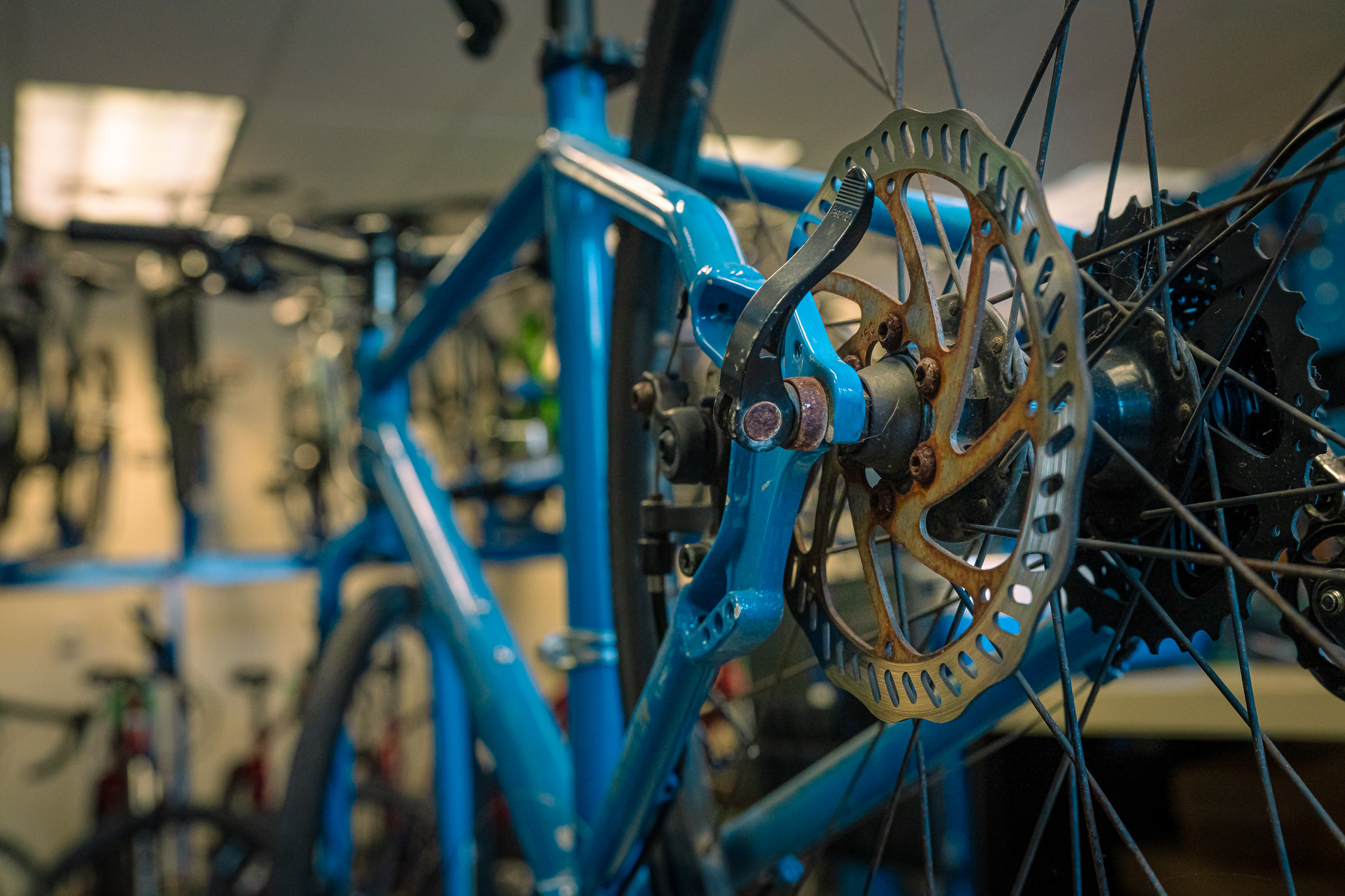
The Otter Cycle Center is under the Recreation Department, located at the back of the Student Center (Building 12) in the East Lounge.
Students can come in to ask general questions, get repairs, or join bike rides. The center occasionally hosts workshops, covering topics from repair to commuting. Workshops like these help CSUMB work toward a silver-league BFU rank, says Espinoza. Upcoming events are posted on the CSUMB Recreation social media.
Students can park and lock their bikes on racks throughout campus. For long-term indoor storage, students can access the secured Bike Bunker behind the Otter Cycle Center for $25 before tax a semester. Promontory has designated indoor racks and East Campus has garages.
Biking in California
California follows share-the-road rules for bikes, cars and other vehicles. Bikers are recognized as vehicles under California vehicle code. “They are obligated to obey all stop signs and rules of the road, speed limit, yielding, etc.,,” Espinoza reminds.
Before starting, bikers should familiarize themselves with the California vehicle code. Safety and responsibility tips can be found on the California DMV website. Some important regulations include staying on designated biking lanes and going in the correct direction to avoid dangerous conflicts.
Biker safety, Espinoza says, is “making others aware of your presence.” Espinoza recommends having bike lights both day and night to make yourself more known to drivers. Lights and reflectors are required for night riding.
Additionally, bikers should always wear a helmet.
Biking on main campus
CSUMB uses share-the-road. There are some designated bike lanes, such as the one connecting Promontory to the OSU. Students should be aware that car traffic may reach high levels and consider how that will affect their route.
Biking around campus: East Campus and the Dunes
To travel between Main campus and East Campus, students can use designated biking lanes along Inter-Garrison Road.
The Dunes shopping center can be reached from main campus using designated biking lanes that run along 2nd Avenue. It can also be reached from East Campus using biking lanes on Imjin Parkway.
Consistency is key
Espinoza suggests students should have a back-up plan in case they are unable to bike. Reasons include inclement weather and fatigue. To commute via biking consistently, consider what you are able and willing to do in a variety of scenarios. The Wave shuttles are an effective back-up plan, says Espinoza, as they include bike racks.
For students considering biking on campus, Espinoza recommends “getting as much information as possible so that you can make informed decisions as opposed to jumping into it.” Once students are ready to start biking safely, they are opened to a new world of travel and recreation.