
By Maya Hutagalung and Hayley Matto
On Sept. 17, 2026, “Current Biology” published the discovery of a new cat species.
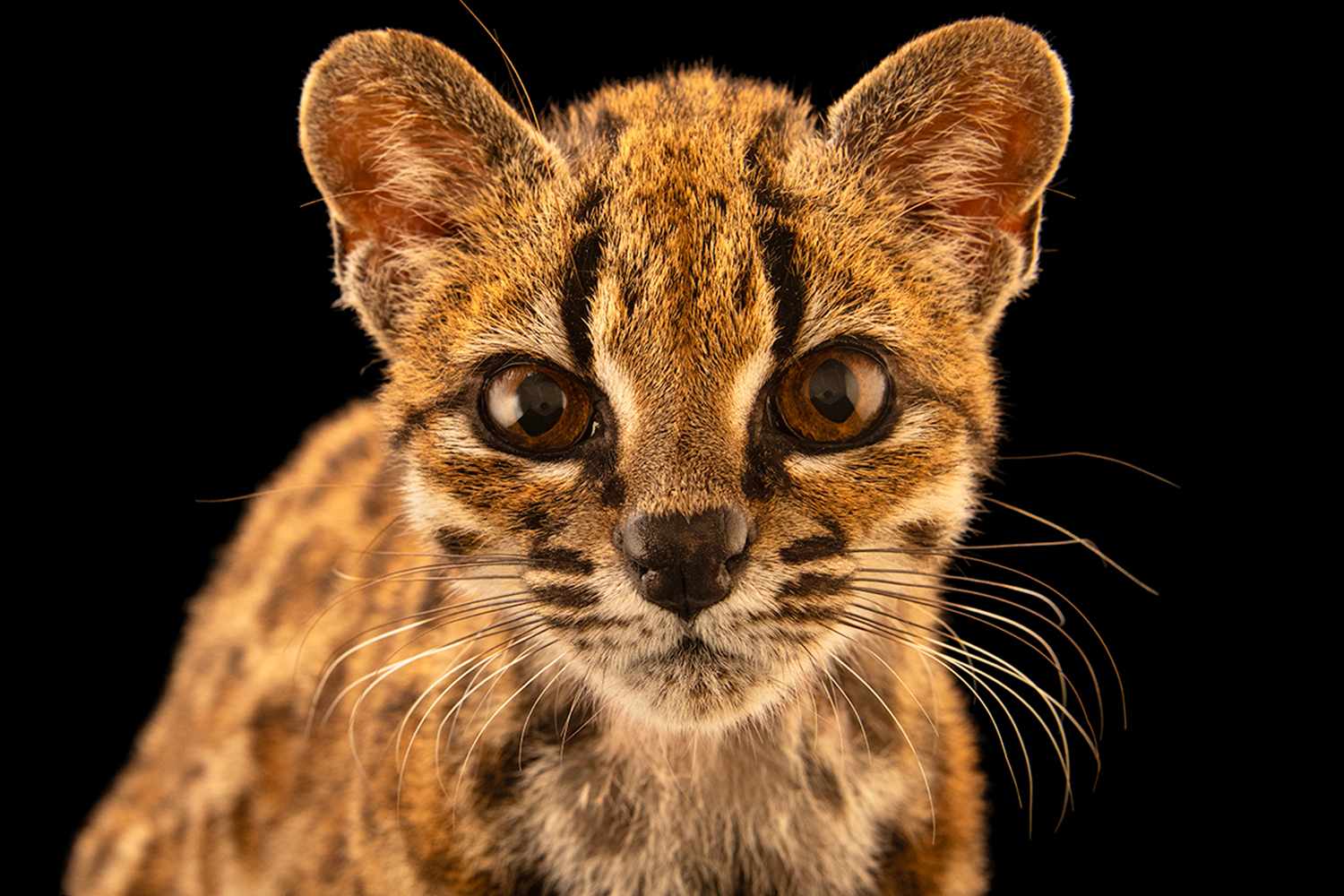
The Leopardus tilcayo, known simply as tilcayo, is the first cat species to be discovered in over 100 years, the last being the Uruguayan pampas cat in 1923.
With a widespread love for cats, the internet rallied around the tilcayo’s discovery. Outlets including National Geographic, PBS, and Smithsonian covered the research within days, spreading awareness of the discovery to large audiences.
According to Sarah Kuta’s article “Meet the Adorable and Tiny Tilcayo, the First Brand-New Cat Species Identified in More Than a Century” the new cat was originally discovered by a local near La Paz, he had found the tilcayo off the side of the road back in 2016. The local then decided to take it home. It wasn’t until a year later that he brought the cat to the Senda Verde Wildlife Sanctuary suspecting it might actually be wild. It was there that researcher Dr. Nogales-Ascarrunz first encountered the peculiar cat.
Dr. Nogales-Ascarrunz, a biologist at the Universidad Mayor de San Andrés, Bolivia, led the investigation to find out what species this unusual cat belonged to.
Researchers of “Current Biology” employed genomic analyses, the study of an organism’s complete DNA sequence, to investigate the tiger cat species complex.
They analyzed 38 complete genomes from individuals of the umbrella genus Leopardus. Of those 38 genomes, 26 were of the tiger cat species complex, Leopardus tigrinus. Museum data helped the researchers generate a few of these genomes. Doing this, researchers found that the tiger cat species complex consists of 5 distinct species, whereas previously they had assumed it only consisted of 2, one of these new species being the novel tilcayo.
The word “tilcayo” was already in use by local communities in the Bolivian Yungas zone where it was discovered. With this in mind they proposed using this name to preserve recognition for the cat’s “cultural and regional relevance,”, says researchers of “Current Biology.”
So what characteristics does the tilcayo have? One noticeable quality is how tiny this wild feline is. Researchers describe the tilcayo with a head-body length of 42.5 cm to 50.5 cm, and a weight of around just three pounds. Making it much smaller than the vast majority of wild cats and typical house cats like the American shorthair. It’s no wonder how the local man may have confused this tiny wild cat for a feral, or abandoned kitten.
The researchers also studied their fur pattern characteristics. The tilcayo’s leopard-like spots are called rosettes, and each species has different trends in color, shape, and size. Other cats that have rosettes include leopards, jaguars, and bengal cats.
The discovery of any new species can have important implications for conservation efforts. By separating what was once thought to be one species into multiple, the population estimates for each species changes. What looked like a stable or widespread population at first may actually be a population in need of different or heightened protections against threats such as habitat loss and climate change.
There is still much to learn about the tilcayo. With new knowledge of this distinct species, researchers still need to determine their habitat range, population, diet, and behaviors. “Current Biology” researchers are calling for discoveries like this to be evaluated with various risk assessments in hopes that we can advocate for “conservation planning on behalf of these elusive wild cats.”