
by Gwyneth Grivich
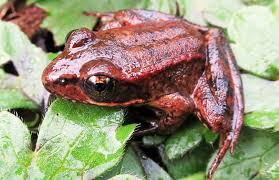
If you have gone hiking in California near ponds, streams, or wetlands, you may have run into the California red-legged frog (Rana draytonii). Named for its red abdomen and legs, this frog is the largest indigenous frog to the entire western U.S. Prior to its decline, the California red-legged frog could once be found in 46 counties in California, being found from Mendocino County all the way to Baja California. Today, they can be found in only 35 counties. This is mostly due to habitat destruction and the introduction of non-native species into California ecosystems. Because of this, the California red-legged frog was declared threatened in 1996, meaning that their population is declining, as it continues today.
One part of the problem for the California red-legged frog is the introduction of non-indigenous fish and bullfrogs to their ecosystems. These invasive species prey on the California red-legged frog, contributing to their declining numbers. However, easily the biggest threat facing the California red-legged frog is habitat destruction. In the Central Valley, “more than 90% of historic wetlands have been diked, drained or filled, primarily for agricultural development and secondarily for urban development” (U.S. Fish and Wildlife Service). The wetlands are disappearing, and with them entire ecosystems of indigenous California wildlife, like the red-legged frog.
Although the situation for the California red-legged frog and the wetlands looks bleak, there are many ways that we can combat this habitat destruction. In terms of personal responsibility, it is best to avoid usage of fertilizers and pesticides as much as possible. The runoff from these substances can interfere with the ecosystems of local ponds and streams. Look for non-toxic cleaning products, such as phosphate-free detergents, as phosphates encourage algae growth, which can suffocate aquatic life. If you are an avid hiker, always make sure to use good trail etiquette. Staying on designated trails, avoiding cutting switchbacks, and not trampling vegetation are all ways to assist native biodiversity. If you are interested in gardening, consider planting indigenous California plants instead of invasive ones. If you are not sure where to start, take a look at the California Native Plant Society website, they offer many resources for starting a native plant garden. If you, like me, are interested in a more active role in protecting wetlands and the California red-legged frog, consider volunteering. Locally to the Monterey Peninsula, I recommend checking out MEarth Carmel, the Habitat Stewardship Project, and the California Native Plant Society. California wetlands are home to the California red-legged frog, but also many other threatened or endangered species. Spread the word about the importance of wetlands, and one day we may see a return of the California red-legged frog and many others.
Sources
https://www.fws.gov/species/california-red-legged-frog-rana-draytonii
https://www.fws.gov/story/2023-06/10-ways-you-can-help-conserve-wetlands
https://www.cnps.org/gardening/california-native-curb-appeal-5329
https://www.sdnhm.org/science/herpetology/projects/california-red-legged-frog