
By Tom Nolan
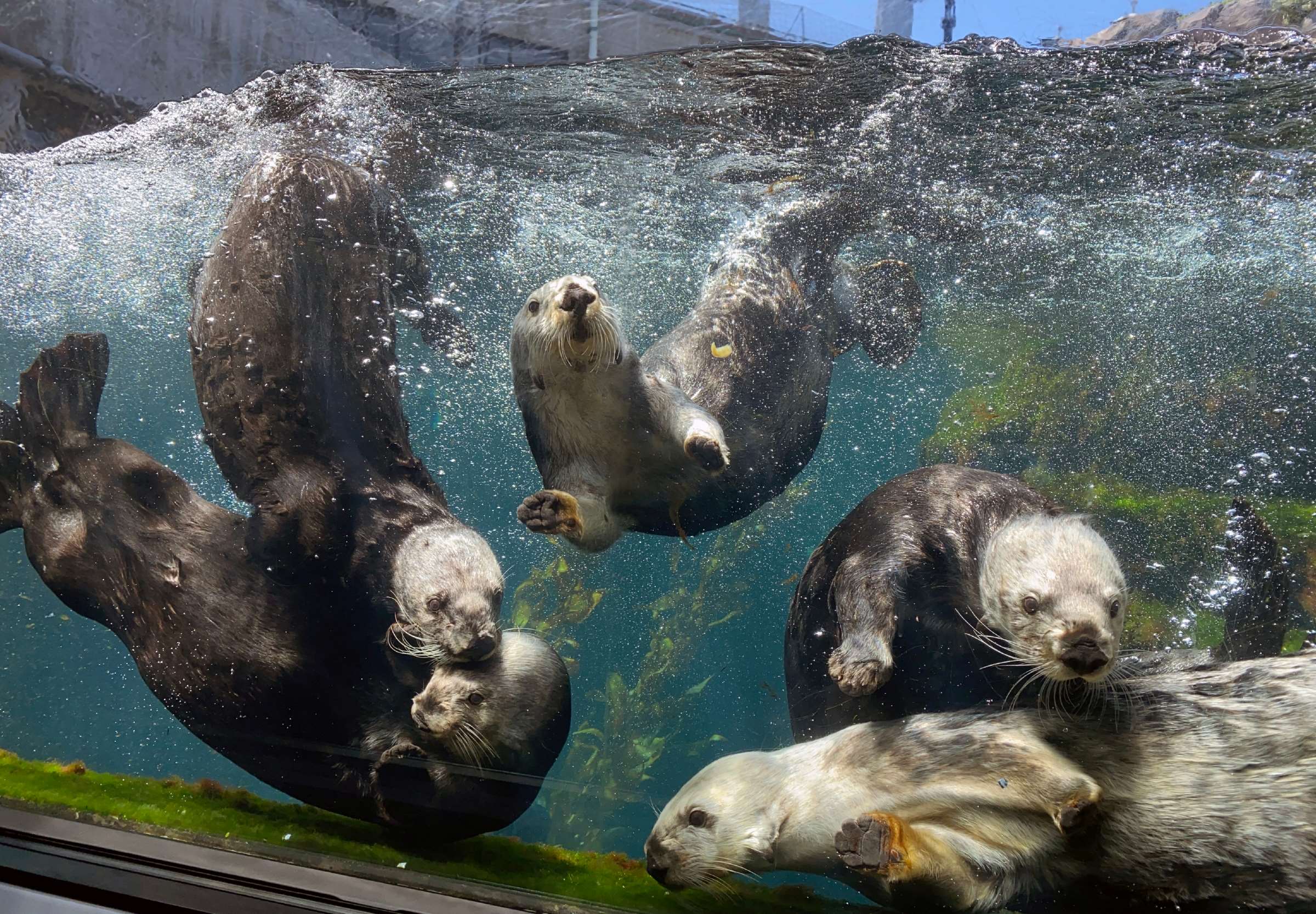
Monterey County locals – including all of us here at CSUMB – are invited to visit the Monterey Bay Aquarium free of charge starting on Tuesday. The event will continue through Sunday, Sept. 14.
From internships to ticket distributions throughout each academic year, there are many opportunities for Otters to capitalize on having a world-class institution and research center virtually in their backyard. In turn, the aquarium appears committed to fostering talent within the community in a symbiotic relationship not unlike those we observe in the animal kingdom.
While the event represents an opportunity to continue that symbiosis, it is more restrictive than events in previous years. The aquarium’s 2023 Open House, for example, welcomed anyone and everyone from Monterey, Santa Cruz, and San Benito counties with almost no restrictions. According to admissions supervisor Kirt McKee, the resulting attendance was record-breaking: “On the last day we did 21,412 people…Honestly it was not a good experience for anybody. It was just really, really busy.”
This time around, in an effort to keep attendance more manageable, reservations are required. Those who are able to snag one will be able to book up to six tickets at a time, and every individual who is at least 18 years old will be asked for proof of residency. For CSUMB students, either an OtterID or a government ID with a local address listed will be accepted.
As of the writing of this article, reservations are mostly booked out for both weekends. The aquarium recommends that anyone interested make reservations on their website as soon as possible, as the few remaining bookings are going fast.
However, for those of us with class or other obligations during the week, there’s still hope: additional tickets are expected to be released throughout each weekend to account for those reservation holders that never show up the day of. Industry professionals refer to this as “ticket attrition.”
Here in Monterey, our connection to the ocean is undeniable. Everything from the air we breathe to the food we eat – and, of course, the water we drink – relies on a healthy and thriving marine ecosystem. The aquarium focuses on education, emphasizing the reality that conservation goals are impossible to achieve without support from the next generation of leaders.
“I think it’s just learning why there are certain animals in the ocean that need our assistance, knowing the privilege that we have, that we can pivot the way that things are and create that connectedness…It doesn’t have to be monetary. It could just be by understanding the actions that we’re doing,” says Carina Pereira, the aquarium’s operations manager for environmental services.
This and other programs may encourage us to use our respective platforms to spread awareness for important environmental issues. Plus, after a long week of classes, who wouldn’t love to stare at fish for a while?