
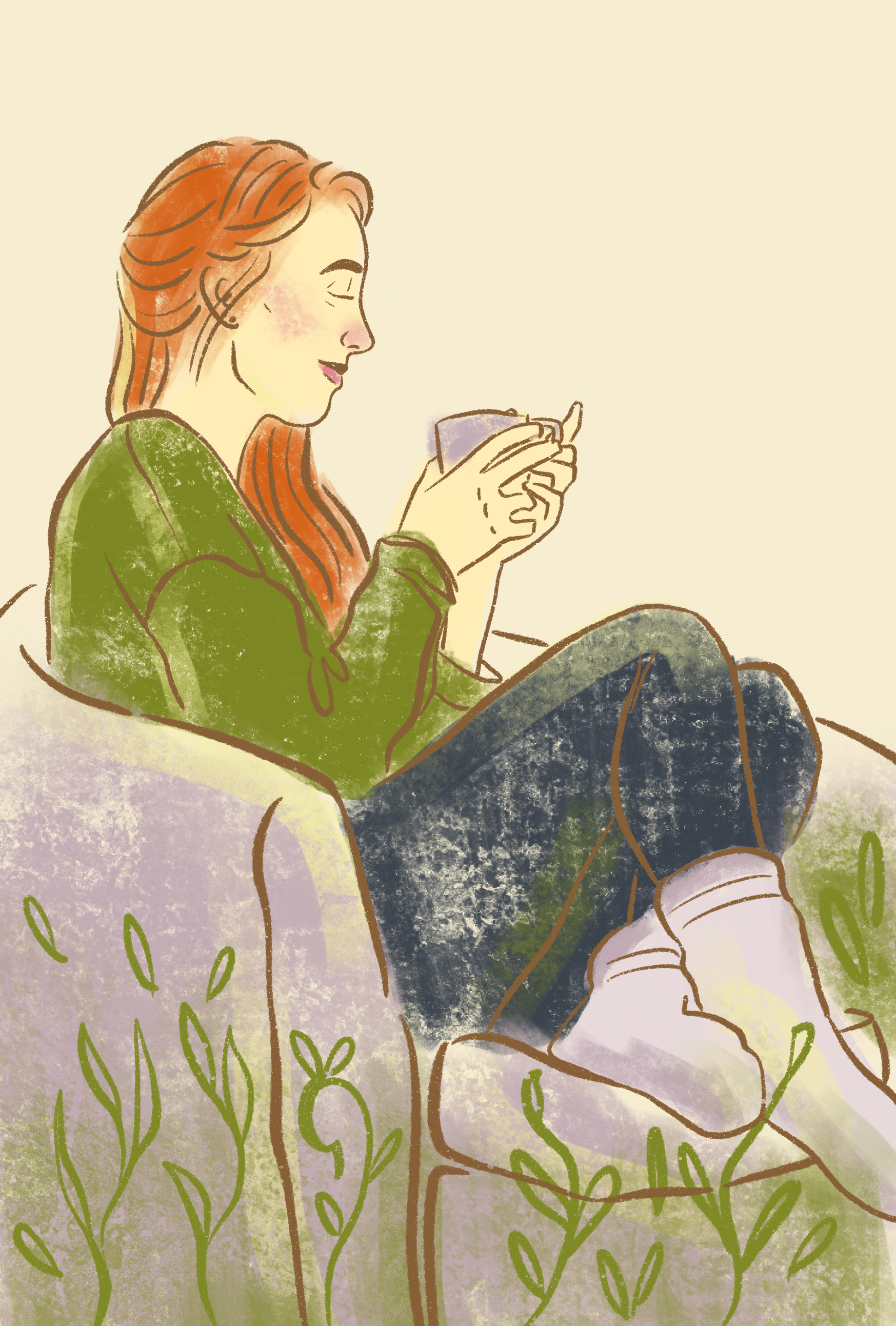
With only three weeks left in the school year, stress can be hitting hard. Final projects, exams, housing decisions and planning for what’s next. It can be a lot. In the middle of everything, finding time to rest can feel impossible. But rest is not something to take for granted; it’s essential. Here are five tips for finding rest when things get overwhelming and you need a moment to step away from it all.
Recognize the importance of sleep:
Sleep is one of our basic needs, right up there next to food and water. When stress is hard, sleep is often the first thing we throw out in exchange for other things, like late-night studying or our last bit of free time after a long day. To slowly improve your sleeping schedule and habits, there are many methods, and you can take baby steps. Try finding a routine that tells your brain it’s time to sleep: “At 10:30, I’ll close my computer, grab a small snack, make some tea, and maybe read for a bit.”
Having those habits every night will help signal your brain that it’s time for bed. Other tips involve avoiding screens half an hour before bedtime, and trying to make your sleep space more comfortable and only use it for sleeping.
Stay Hydrated:
Let’s keep sticking with the basics: water! Water is probably the most important thing you can do to help your body find rest, and one of the easiest. When we are stressed, it can be easy to forget to drink water, or drink other beverages in place of it, such as coffee, which can make you more thirsty since it is a diuretic.
Herbal teas like chamomile or peppermint tea are great ways to stay hydrated without also getting too much caffeine. If you’re not a tea person, juice and other drinks can also help keep you hydrated, though sticking to water is always the best bet.
Physical Activity:
Getting your body moving is also proven to help reduce stress. According to a Harvard Health study, “Exercise to relax,” “Exercise reduces levels of the body’s stress hormones, such as adrenaline and cortisol.” Exercise can often seem like a scary term, however, it does not only have to come in the form of a run or a session in the gym (though if that’s your cup of tea, go for it!). Exercise can be mindful walking, which is walking slowly and deliberately, intentionally keeping your attention on what’s happening around you. Yoga or Tai Chi allows for physical movement, without the same strain or difficulty as other gym exercises.
Unplug & Disconnect:
Sometimes rest doesn’t mean sleep, it means giving your brain a break from input. Stepping away from social media, emails and even group chats can offer a surprising amount of peace. Try walking around campus without your phone, sitting under a tree, or finding a quiet space like trails around campus or a tucked-away spot in the library. With so much going on, it might feel hard to accomplish, but it doesn’t have to be for a long time. Take 10-minutes to step away from everything, breathe, get some fresh air and take a short walk.
Sometimes, setting a Pomodoro timer is a great tool for people. These interval timers can be found online and allow time for work and rest during a study session or while completing a task. You can set those intervals for however long you like – just make sure during your rest time you completely step away but honor that you will come back to the task afterwards.
Try a Creative Outlet:
When all your energy is going towards being as productive as possible, stress can quickly build up and even overflow. Doing something purely creative can help release that tension. Consider stopping by a campus art event, a poetry night or even just creating for yourself. Stop by the Makerspace on the third floor of the library and use their collection of resources for crafting. Letting your mind wander through art is a form of rest and relaxation. Like with many of the other activities, it doesn’t have to be a long time; set 30 minutes aside during your day to intentionally be creative in whatever way speaks to you.
Letting yourself relax is just as important for success as the time you put towards working hard. Without rest, your body can’t function at capacity for that presentation, or your brain might be foggy during that test. Find a way to rest that works for you and start with little steps. You’ve got this!