
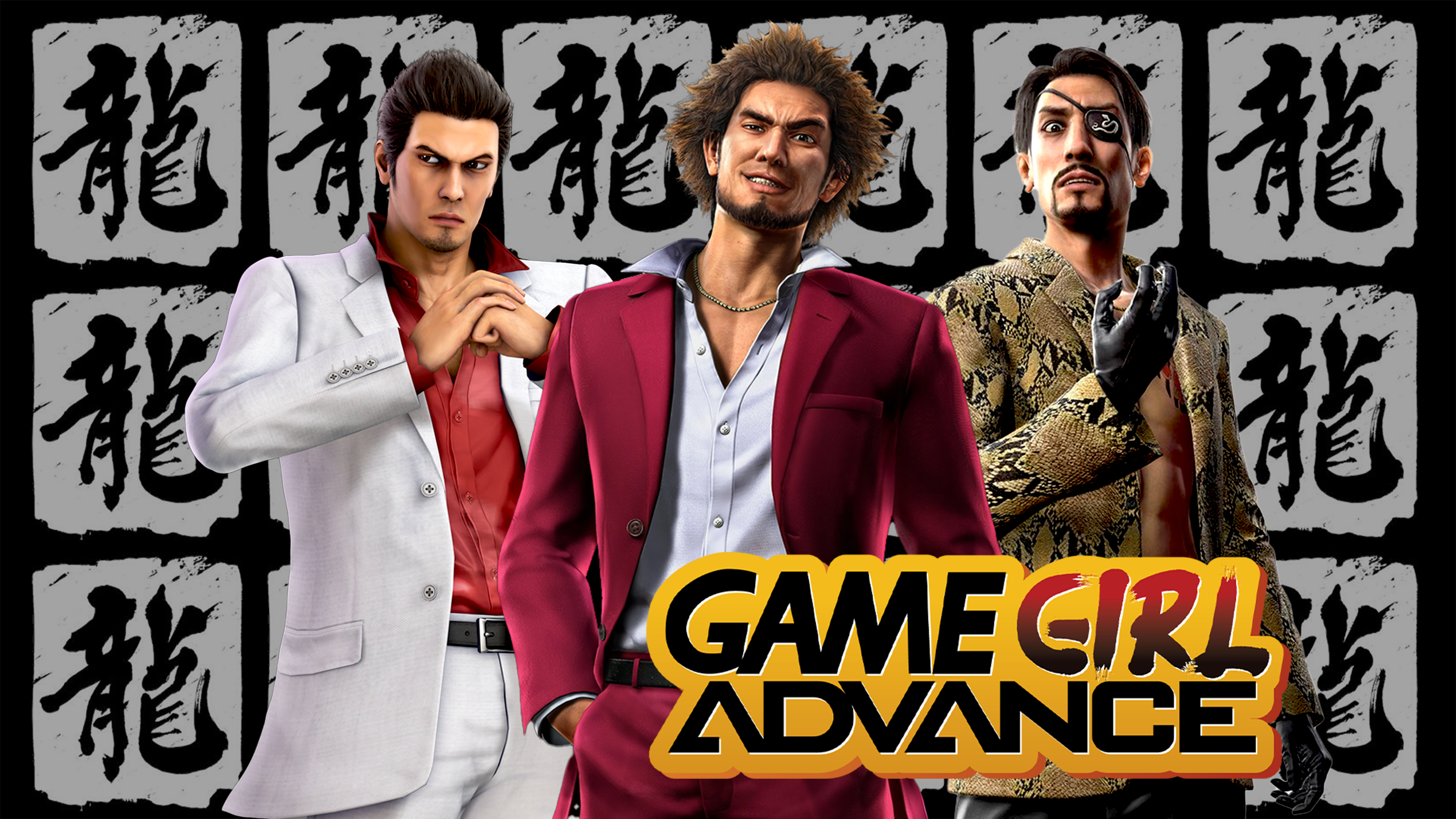
Over the winter break and the Lutrinae’s hiatus, I took the opportunity to delve deeper into a franchise I briefly wrote about in our 2023 Holiday Buyer’s Guide: Like a Dragon, from Ryu Ga Gotoku Studio. The series first appeared on my radar with the announcement of Like a Dragon: Infinite Wealth releasing on Jan. 26, so I took the chance to prepare myself by playing 2020’s Yakuza: Like a Dragon.
Truth be told, the idea of jumping into a long-running series with eight mainline titles and even more spin-off games, all with varying degrees of accessibility to Western audiences, was an intimidating prospect. I highly recommend entering the series where I did, as Yakuza: Like a Dragon served as a soft reboot, switching out former protagonist Kazuma Kiryu with our new hero, Ichiban Kasuga. Alternatively, Yakuza 0, a prequel set in the 1980s, requires little existing knowledge.
To explain Like a Dragon to the uninitiated American gamer is simplest with an analogy; consider how the Grand Theft Auto series satirizes American society using the medium of a third-person shooter with high-speed driving mechanics. What could be more American than guns and cars? Yakuza: Like a Dragon similarly satirizes Japanese society with its most culturally distinct gaming medium: the Japanese Role Playing Game. RGG Studio places its characters in strikingly accurate recreations of locations like Dōtonbori and Kabuki-chō, presented as an overworld environment filled with random combat encounters and hidden loot.
Like a Dragon’s dramatic main storylines coexist alongside off-the-wall side missions creating a unique and deeply engaging world to explore. In one main mission, Ichiban might find himself uncovering the secrets behind a grisly murder, and five minutes later fight an escaped circus chimp driving an industrial excavator. RGG Studio executes this kind of contrast so masterfully that it heightens both extremes without compromising either one.
Yakuza: Like a Dragon’s main questline follows an ex-con forced to start his life over at age 40 from rock bottom, coming into contact with fellow residents of Japan’s “gray zones,” the homeless, sex workers, immigrants and many others. Ichiban aspires to be a hero for those in his community, and mourns the loss of the honor once held sacred by his former Yakuza comrades. When the people of Injincho come under attack from the reactionary conservative movement “Bleach Japan,” Ichiban and friends follow the threads of a political conspiracy all the way to the executive branch of the Japanese government.
Historically, the series has for years come under criticism for its lack of representation for women and certain other marginalized groups – recent releases have sought to course correct this issue. What it truly excels at, however, is representing the ways people find themselves trampled underfoot by mainstream society; how anyone can be failed by the systems we put faith in and be forced into the margins of the social order.
While longtime fans of Like a Dragon squabble over the game’s pivot to turn-based mechanics or change in protagonist, coming into the series’ latest entries with fresh eyes can truly let you appreciate RGG Studio’s efforts to tell a story and the message within. I for one am beyond excited to see how Like a Dragon: Infinite Wealth explores the Japanese-American cultural exchange and the tourism industry with its first venture beyond Japan and into Hawaii.